
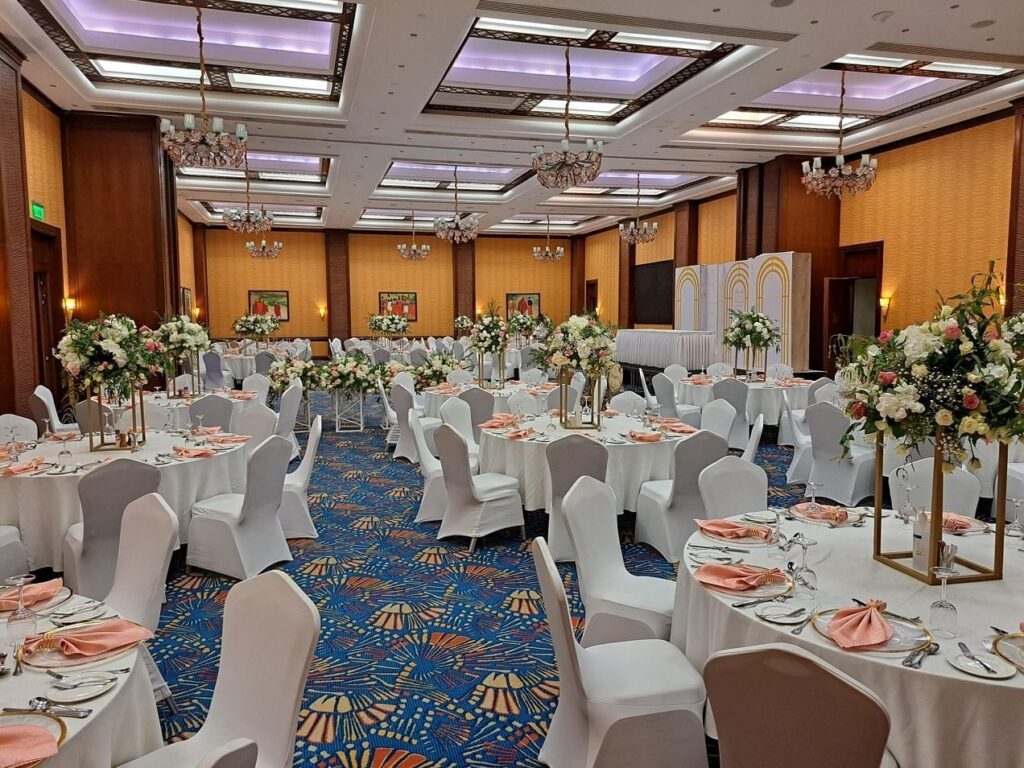
Best Tips For Event Planning in Kenya
Planning an event in Kenya can be both exciting and challenging. Whether you are organizing a wedding, corporate conference, birthday celebration, fundraising gala, or product launch, proper preparation is key to ensuring everything runs smoothly. Kenya offers diverse venues, vibrant culture, and talented service providers—but it also presents unique logistical considerations such as weather, traffic, and power reliability.
Successful event planning in Kenya starts with early preparation, smart budgeting, and working with dependable local vendors
Below are the best tips to help you plan a memorable and stress-free event in Kenya.
1. Define Your Event Objectives Clearly
Before making any bookings, define the purpose of your event. Are you celebrating a milestone, launching a product, raising funds, or hosting a networking session? Clarifying your objectives will help you determine:
The type of venue required
The number of guests to invite
The theme and décor style
The level of formality
The overall budget
Having clear goals also helps vendors understand your expectations and deliver accordingly.
2. Set a Realistic Budget
Budgeting is one of the most critical aspects of event planning. In Kenya, event costs can vary depending on location, season, and vendor demand.
Your budget should cover:
Venue hire
Catering
Décor and setup
Sound and lighting
Photography and videography
Entertainment (MC, DJ, live band)
Security
Transport
Contingency fund (at least 10%)
Always compare quotes from different vendors and avoid committing your entire budget to one area. A well-balanced budget ensures all aspects of your event receive proper attention.
3. Choose the Right Venue Early
Venues in major cities like Nairobi and Mombasa get booked months in advance, especially during peak seasons such as December holidays and wedding months like August.
When selecting a venue, consider:
Accessibility for guests
Parking availability
Capacity and layout
Power reliability
Indoor vs. outdoor setup
Backup options in case of rain
For corporate events, venues like the Kenyatta International Convention Centre are popular, so early booking is essential.
4. Work With Reliable Vendors
Your vendors determine the quality of your event. Take time to research and verify their credibility.
Before hiring:
Ask for portfolios
Request references
Check online reviews
Compare quotations
Get written contracts
In Kenya, verbal agreements are common, but written contracts help prevent misunderstandings regarding payments, timelines, and deliverables.
5. Consider Weather and Seasonal Factors
Kenya typically experiences rainy seasons around March–May and October–December. If you are planning an outdoor event:
Rent waterproof tents
Use raised flooring
Protect sound equipment
Have an indoor backup plan
Even during dry seasons, weather can change unexpectedly. Monitoring forecasts in the week leading up to your event is advisable.

6. Ensure Reliable Power Supply
Power interruptions can disrupt speeches, music, or presentations. Always arrange:
Backup generators
Extension cables
Technical support on standby
This is especially important for corporate events, concerts, and weddings with live streaming.
7. Create a Detailed Timeline
An event timeline ensures smooth coordination.
Include:
Vendor arrival and setup times
Guest arrival
Program flow
Meal service timing
Entertainment schedule
Tear-down timeline
Share this schedule with vendors and key stakeholders a few days before the event to ensure everyone is aligned.
8. Focus on Guest Experience
A well-planned event prioritizes comfort and enjoyment.
Enhance guest experience by:
Providing clear signage
Ensuring comfortable seating
Maintaining proper ventilation
Having efficient registration systems
Offering quality food and beverages
In Kenya, hospitality plays a major role in how events are remembered. Small thoughtful touches such as welcome drinks or personalized programs can leave lasting impressions.
9. Plan for Security and Safety
Security is important, especially for large gatherings or high-profile events.
Consider:
Hiring professional security personnel
Managing entry and exit points
Using guest lists or ticketing systems
Coordinating with local authorities if needed
Safety planning helps prevent disruptions and ensures guests feel secure.
10. Secure Necessary Permits
Depending on your event type and location, you may require permits from county authorities. This is especially important for public events, concerts, and outdoor functions involving amplified sound. Failure to obtain proper approvals can lead to interruptions or penalties.
Event planning in Kenya requires organization, flexibility, and strong coordination. From selecting the right venue and vendors to preparing for weather and power interruptions, attention to detail makes all the difference. Whether you are hosting a wedding in Naivasha, a corporate seminar in Nairobi, or a beach celebration in Mombasa, proper planning ensures your event is memorable and successful.
By starting early, setting a realistic budget, and working with reliable partners, you can turn your vision into reality and create an unforgettable experience for your guests.